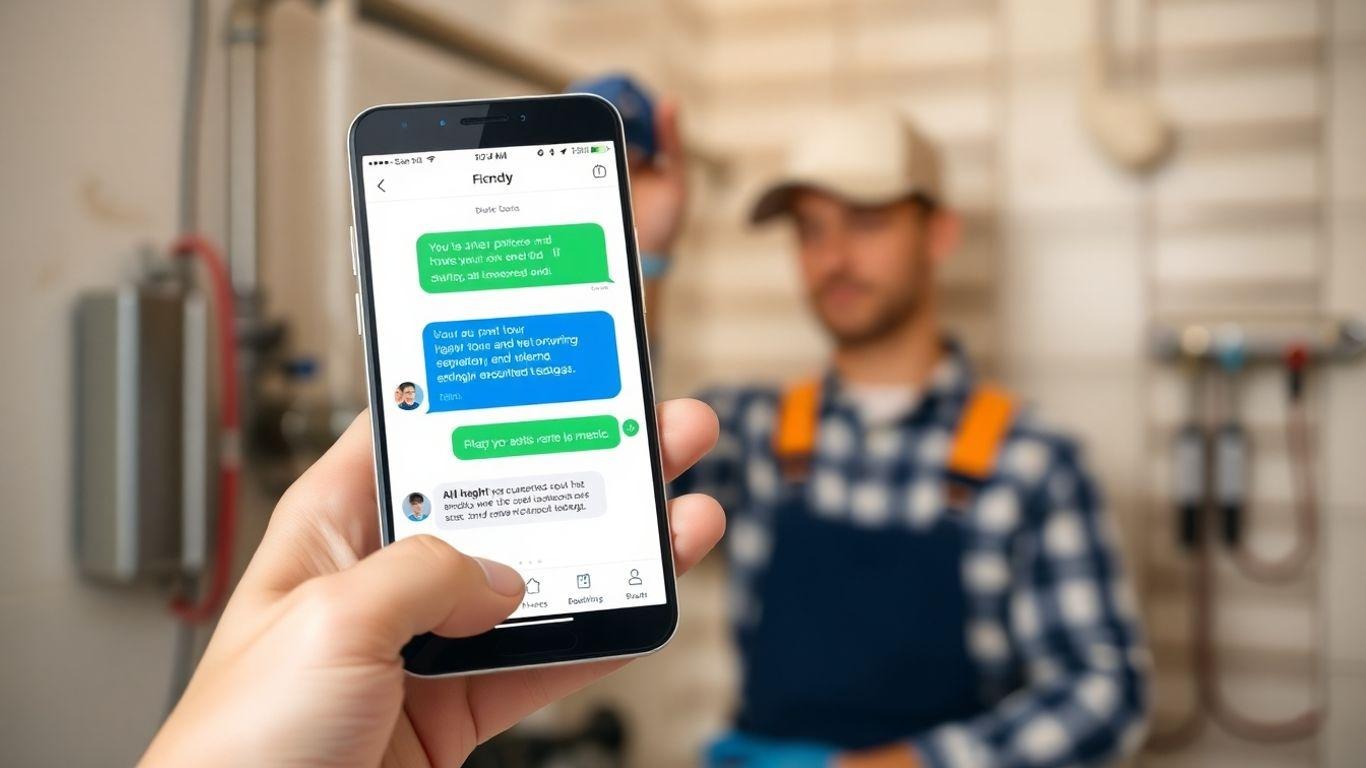
In today’s fast-moving digital world, service businesses don’t just compete on quality — they compete on responsiveness. When a homeowner fills out a contact form, sends a message, or makes a phone call, they’re often reaching out to multiple companies at once. The business that responds first frequently earns the first conversation, builds the strongest impression, and ultimately wins the job.
This concept is known as “speed to lead.” It refers to how quickly a business follows up after receiving an inquiry. For service-based companies such as contractors, landscapers, HVAC providers, or home service specialists, improving response times can significantly increase booking rates without increasing marketing spend.
This playbook explains why speed matters, how it impacts revenue, and practical steps small teams can take to respond faster while maintaining a professional and personal customer experience.
Why Speed to Lead Directly Impacts Revenue
When potential customers are actively searching for help, they are usually in a decision-making mindset. Whether they need urgent repairs or are planning an upcoming project, they want reassurance that a company is available, reliable, and easy to work with.
Fast responses signal professionalism and organization. A prompt reply tells the prospect that your business values their time and is prepared to assist them. On the other hand, slow responses create uncertainty. If a homeowner waits hours — or even days — for a reply, they may assume the company is too busy, unresponsive, or difficult to communicate with.
Research and real-world experience both show that the first business to respond often wins the opportunity to provide an estimate or consultation. Even if your services are competitively priced and high quality, delayed follow-up can cause potential customers to move forward with another provider.
For small service teams, improving speed to lead is one of the most efficient ways to increase conversion rates and grow revenue.
The Psychology Behind Fast Responses
Customers naturally gravitate toward businesses that reduce friction and uncertainty. A quick reply helps establish trust early in the relationship. It also keeps momentum moving forward while the prospect’s interest is still high.
Think of speed to lead as part of your overall customer experience. The faster you acknowledge an inquiry, the more confident the prospect feels about taking the next step. Even a simple confirmation message — letting them know you received their request — can make a meaningful difference.
By creating a sense of responsiveness and attentiveness, service businesses position themselves as dependable partners rather than just another option.
Practical Strategy #1: Implement Missed-Call Text-Back Systems
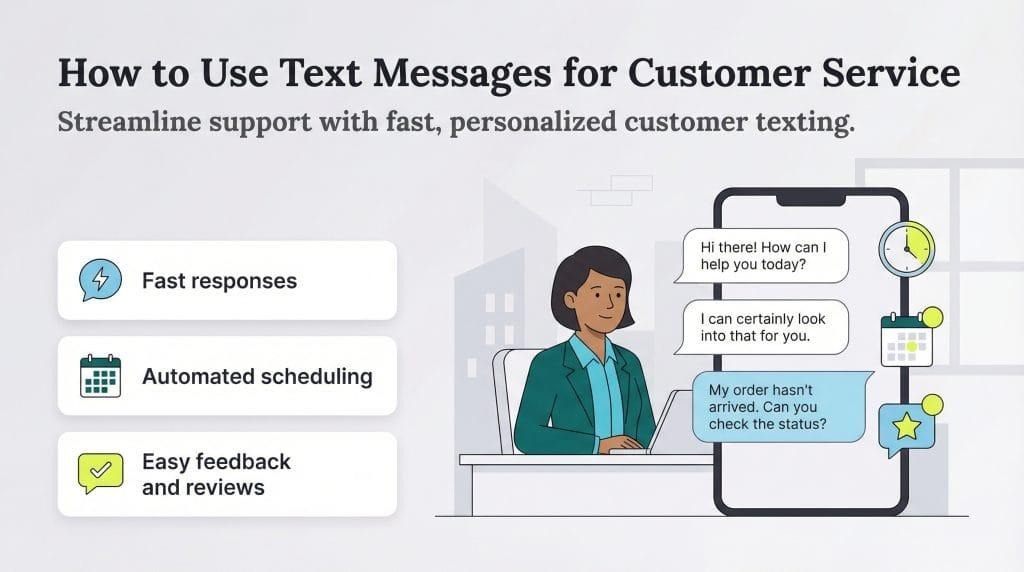
Many service businesses lose opportunities simply because they miss phone calls while working in the field. A missed-call text-back system can instantly send a friendly message acknowledging the call and offering the next step.
For example, a message might read:
“Thanks for calling! We’re currently assisting another client but will follow up shortly. Feel free to reply with details about your project.”
This quick response reassures the prospect that they’ve reached the right company and prevents them from moving on to competitors. It also allows your team to gather basic information before returning the call, making follow-up conversations more productive.
Practical Strategy #2: Use Simple Automation Without Losing the Human Touch
Automation doesn’t have to feel robotic. When used thoughtfully, it can enhance responsiveness while maintaining authenticity.
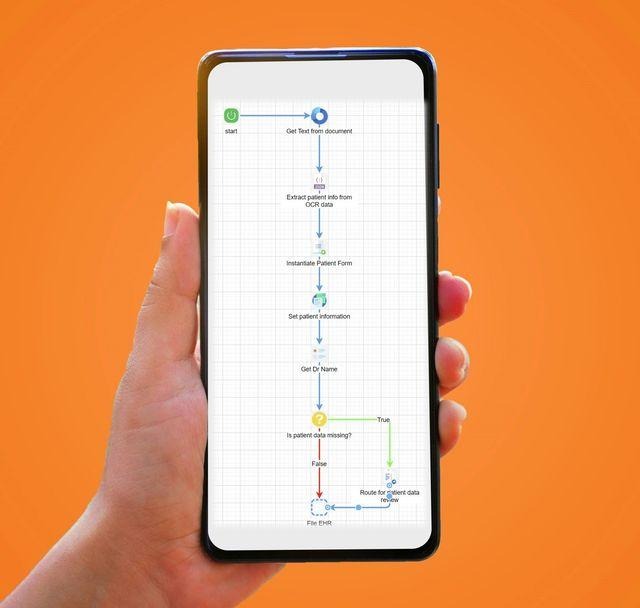
Businesses can set up automated email confirmations for contact form submissions, chatbot acknowledgments on websites, or scheduling tools that allow prospects to book consultations instantly. These tools help bridge the gap between inquiry and personal follow-up.
The key is personalization. Automated messages should sound natural, friendly, and aligned with your brand voice. Including a real team member’s name or a promise of direct follow-up helps maintain a human connection.
Practical Strategy #3: Streamline Your Intake Process
Even when businesses respond quickly, complicated intake processes can slow momentum. Simplifying how you collect information makes it easier to move prospects toward booking.
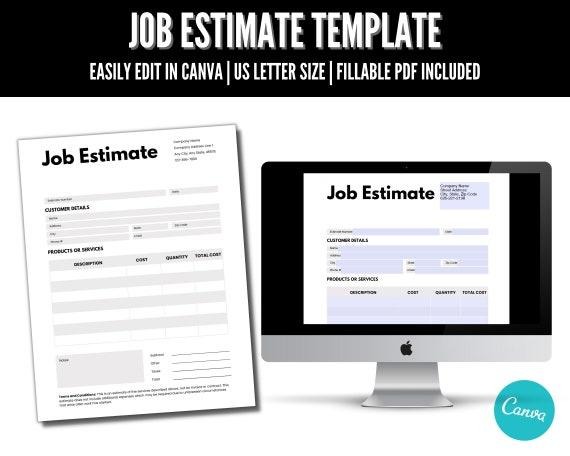
Clear forms, structured phone scripts, and standardized questions help teams gather essential details efficiently. This might include project location, service type, timeline, and preferred contact method.
When intake is organized, businesses can provide faster estimates, schedule site visits sooner, and reduce back-and-forth communication. Prospects appreciate the efficiency, and the process feels more professional overall.
Practical Strategy #4: Establish Response Time Standards
One of the most effective ways to improve speed to lead is setting clear internal expectations. For example, teams might commit to responding to all new inquiries within five to ten minutes during business hours.

This standard creates accountability and helps staff prioritize new leads appropriately. Even small improvements in response time can lead to measurable increases in booked jobs over time.
Balancing Speed with Quality Communication
While speed is important, rushed or incomplete responses can undermine trust. Customers still expect professionalism, clarity, and helpful guidance. The goal is to acknowledge inquiries quickly while providing meaningful next steps.
For example, a fast response might include a short introduction, confirmation of availability, and an offer to schedule a consultation. This shows both efficiency and attentiveness. Over time, businesses can refine their communication style to balance promptness with personalized service.
Turning Responsiveness into a Competitive Advantage
Service industries are highly competitive, especially in local markets where multiple providers offer similar capabilities. Speed to lead can become a powerful differentiator that sets your company apart.
Businesses that consistently respond first often gain more opportunities to present estimates, demonstrate expertise, and build relationships. This increased activity naturally leads to higher closing rates and stronger revenue growth.
Improving response time doesn’t require large investments. Small adjustments — such as better notification systems, simplified processes, and clear response standards — can create significant impact.
Take the Next Step Toward Faster Lead Conversion
If your service business wants to capture more opportunities, improving speed to lead is one of the smartest strategies to implement. Faster response times help build trust, increase conversions, and position your company as a reliable choice in your local market.
Clear Imaging Inc specializes in helping service-based businesses enhance their digital presence, optimize lead generation systems, and implement smarter communication workflows that turn inquiries into booked jobs.
To learn how your business can respond faster and win more projects, contact Clear Imaging Inc at 800-680-6942 or write to us and start building a more efficient, high-performing lead conversion process today.
- View our Website Plans
- View our Marketing Plans
- View our Website Gallery