
For local small businesses with limited budgets, marketing can seem like a distant priority. Contrary to general belief, brands that increase or maintain their ad spend during recessions tend to grow. Whether you believe your local small business deserves a small marketing budget or your business is in recession, you should be taking the right steps to maximize limited marketing budgets in 2026.
Stay in The Market

Whether it is the marketing budget that shrinks or the economy that tightens, the spending shouldn’t stop. Your target audience is always discerning and prioritizes value. When you stay visible, you make a strategic move.
While reducing marketing budget can seem like a reasonable move, research shows otherwise. Nielsen found in its research that during economic recessions, 47% of ad-based sales grew within 6 months of the campaigns
During economic slowdowns, there are fewer advertisers, translating into better CPMs and better share of voice for brands that continue to maintain their visibility. If you cut down on your marketing budget, you create empty space and silence.
Setting Clear Yearly Marketing Goals on A Shoestring

When you are on a limited marketing budget, it is important to set clear and proper marketing goals. This step should be treated similarly to creating your business plan. Your marketing strategy must also address the following factors:
- Building on your brand’s identity
- Engaging both existing and new customers
- Building a digital presence
- Creating high-quality and actionable content
One of the most effective ways to do so is to balance your short-term and long-term strategies. Invest in marketing channels that provide long-term returns. This includes strategies such as email marketing and SEO. This can help create the foundation for brand building and sustained growth.
Short-term strategies help you address your business’ immediate needs. This includes limited-period promotions and social media marketing campaigns, driving immediate engagement and sales. On the other hand, long-term strategies need time to deliver, but they provide significant, long-lasting benefits.
Striking the ideal balance between short-term and long-term marketing tactics not only addresses your business’ present needs but also helps set up a strong future positioning. It can help optimize your budget for both immediate impact and long-term success.
Tactics With the Highest ROI In a Recession
During times of recession, marketing investments are no longer the priority for most small businesses. The focus shifts to cost factors such as staff salaries, maintaining key contracts, running operations, and other elements important for your business’ survival.
According to McGraw-Hill research, businesses that maintained their marketing budget during the 1981 recession drove throughout the slowdown period and for the next few years. Here are 3 high-ROI marketing tactics for you to grow or sustain your business during a recession:
1. Search Engine Optimization (SEO)

72% of consumers rely on Google search to find local businesses. Customer requirements and behavior change during economic slowdowns. Conducting keyword research and following search trends can help you learn about the search terms they are using to find your products or services or getting answers for their questions on Google.
This can help you customize your content around your target audiences’ needs, boosting engagement and growing potential sales. When your competition is thinking whether to go ahead or not, you can gain the edge with SEO, leading to additional benefits, including improved:
- Website speed
- Crawlability
- Indexation
- Backlink building
2. Content Development
When customer choices, behavior, and purchase preferences change, you will have to find new ways to present your marketing messages. Keep in mind that 7 in 10 customers prefer learning about a brand from organic content and not advertisements. This makes content a powerful medium for you to reach your audience while keeping your marketing budget in control.
You may already be creating content. When your budget changes, it doesn’t mean having to change the vision and goal of your content. You should rather find a more relevant approach to saying things. This involves:
- Creating compelling content that connects with your audiences
- The new content produced or updated should reflect the current market trends
- The content should help your audiences to learn how your brand helps them stay agile during challenging times
A major software provider created a content strategy known as Leading Through Change during the 2020 economic downturn. It was a resource center containing blogs, ebooks, videos, and webinars that helped businesses overcome the crisis.
3. Email Marketing
The magic of email marketing was first realized in the late 1970s. Fascinatingly, that magic hasn’t faded yet. Automated emails have an open rate of more than 42%. The average open rate for email campaigns is 36.5%. Most importantly, email marketing has one of the highest ROI in the digital marketing space. Businesses, on average, generate $36 for every $1 spent.
Email marketing is one of the most cost-effective marketing strategies, making it the perfect tool for local small businesses with limited budgets. It allows you to reach a larger audience at a fraction of the cost of other strategies.
Besides, the target capabilities of email marketing are almost unparalleled. Your target audience can be segmented based on different criteria and the messages can be customized to address their unique needs and interests. This allows you to drive greater engagement and conversion.
When To Cut Paid Ads Vs. When To Double Down?

When businesses have limited marketing budgets or go through a recession, the keyword with the highest priority is “save.” It is not just about saving money, but also about saving time and resources.
However, a business cannot afford to stay frozen. Your business can get stuck if you do not take some action.
Scaling paid ad campaigns can be a big challenge in such times. You will have to scale in ways that generate revenue and don’t waste money.
Here are different scenarios when you should cut down on paid ads:
Poor Performance
Any time your ads don’t resonate with your targeted market or the engagement is poor, you should pause the campaigns. The campaign should be reassessed for messaging and targeting to save budget and improve ROI.
Budget Revaluation
When your business priorities change or there is a need to reallocate resources, you should pause your paid ads. This can be followed by strategizing and optimizing the campaigns. The reassessment can help you learn what is working and test new tactics.
There are also scenarios when you should double down on your paid ads. There will be times when your campaigns hit a hot-streak driving in customers at low CPAs. This is the time to increase your ad spend on the strategy.
Another situation is when you have something that is already working great. If you figure out what is already working, it is recommended to do more of it. While it is common to consider trying new platforms, audiences, and offers, you should not scale down on high-return tactics.
For example, a local gym’s “free first class” promotion generated more new admissions than other ads. They spent more on the same campaign across Google Ads, Facebook, and Instagram and increased their gym memberships by 40%.
Additionally, it is recommended to increase your paid ad spend in the following scenarios:
- When launching new products or services
- When you have high conversion rates but low sales volumes
- When there is a need to adapt to the changing market trends
- When your competition is increasing its ad spend
Tools And Templates for Tracking Budget Efficiency
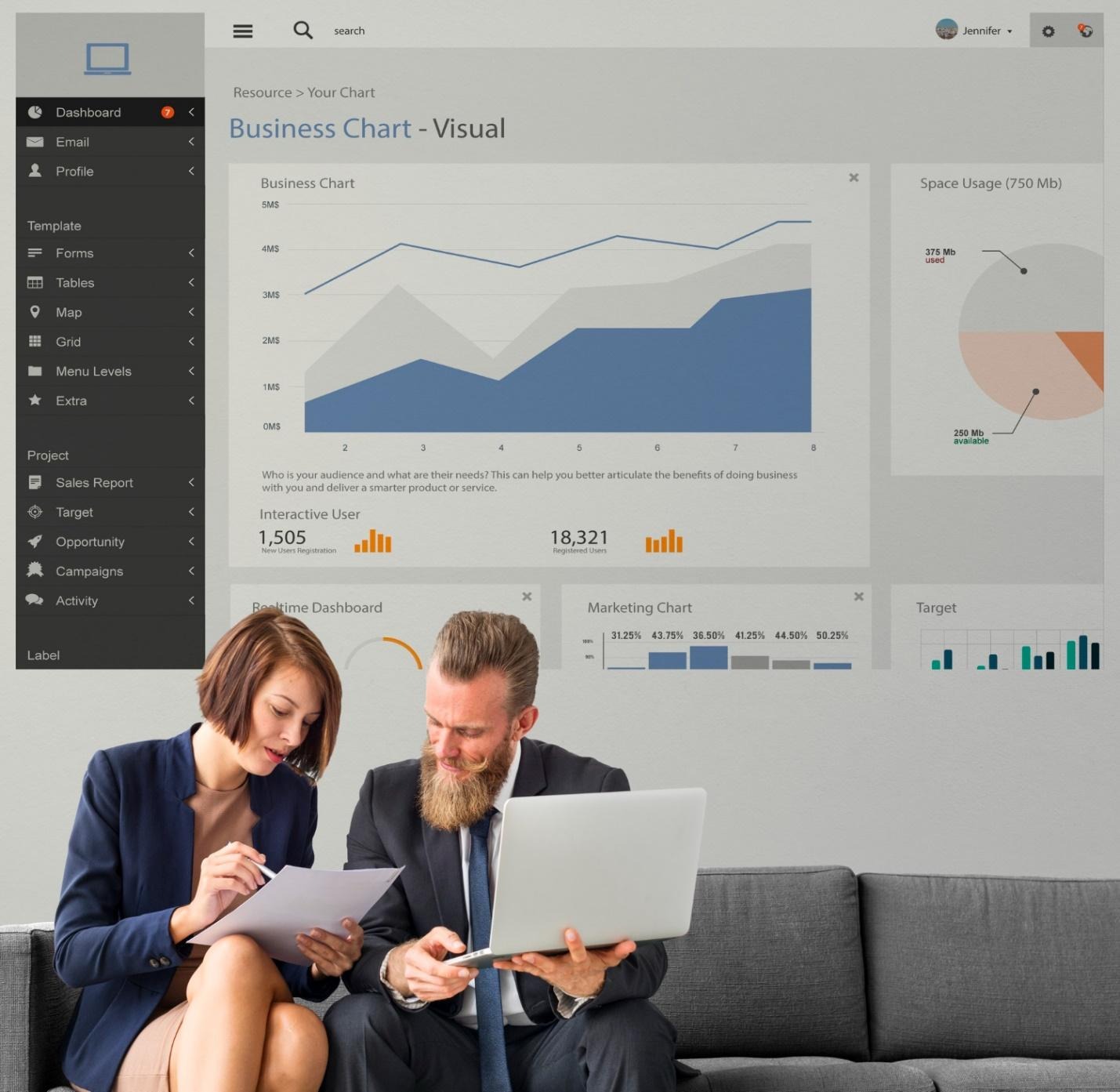
If you want to manage your ad spend effectively, it is important to track marketing efficiency in real time. Without proper tracking, your business can suffer from potential budget wastage. This is where real-time tracking tools come into the picture. Such tools help prevent manual errors while enhancing budget allocation and saving time.
Here are some of the most helpful tools to help you track your marketing budget efficiency:
- ClickUp: This tool integrates project management workflows, budget tracking, and dashboards.
- HubSpot Marketing Hub: Gain campaign-level budget insights through automatic ad spend data syncing.
- Uptempo: This tool provides granular insights for enterprise-level marketing operations.
- Planful: It helps with elaborate financial planning through real-time tracking across your campaigns and the channels targeted.
Conclusion
When it comes to operating on a limited marketing budget, a total media pause is never the solution. Instead, you should focus on auditing your media mix, increasing messaging, testing, and learning, and getting granular with your data. It is not about spending more, but spending smarter. Before you consider cutting down on your paid ads, think of the right strategy that can help generate meaningful results.
If you seek more insights on ways to get the most out of your marketing budget, enhance marketing performance, and drive better ROI, reach out to the Clear Imaging, Inc. team. You can give us a call at (800) 380-6942 or write to us using this Online Form.
- View our Website Plans
- View our Marketing Plans
- View our Website Gallery