
For most service-based businesses, growth often feels tied to constant marketing spend. Paid ads, boosted posts, and promotions can generate short-term results, but they can also become expensive and unpredictable. What many successful companies discover over time is that their most valuable source of new leads isn’t advertising at all — it’s referrals.
A well-structured referral system allows satisfied customers to become active advocates for your brand. When done correctly, referrals create a steady flow of qualified prospects who already trust your business before the first conversation even begins. The key is building a simple, repeatable process that encourages referrals consistently, rather than relying on occasional word-of-mouth.
This guide explains how service businesses can create a referral engine that runs largely on autopilot, helping them grow sustainably and cost-effectively.
Why Referrals Are the Most Powerful Growth Channel

Referrals work because they are built on trust. When a homeowner recommends a contractor, or a business owner suggests a marketing company to a colleague, that recommendation carries credibility that no advertisement can match.
Referral leads often convert faster, require less sales effort, and tend to become loyal long-term customers. They are also less sensitive to pricing because they already believe in the value of your services. For service-based businesses, this means higher profitability and stronger relationships.
Instead of chasing cold leads, a referral engine allows you to focus on delivering excellent results while your satisfied clients help generate new opportunities.
Step 1: Deliver a Customer Experience Worth Talking About

Before asking for referrals, businesses must first earn them. Exceptional service is the foundation of any referral system. This includes clear communication, reliable timelines, professional presentation, and consistent follow-through.
Customers are most likely to refer your company when they feel confident that recommending you will reflect positively on them. That means exceeding expectations whenever possible. Simple actions such as providing regular updates, showing appreciation, and resolving concerns quickly can significantly improve the likelihood of referrals.
Think of every completed project as an opportunity to create a brand advocate. When customers feel valued and supported, they naturally become more willing to recommend your services.
Step 2: Ask for Referrals at the Right Moment
Timing is critical. Many businesses either forget to ask for referrals or request them at the wrong stage of the customer journey. The best time to ask is immediately after a successful outcome — when the client is happiest and most impressed with your work.
This could be after completing a project, delivering measurable results, or receiving positive feedback. At this stage, a simple and confident request can make all the difference. For example, you might say:
“We’re glad you’re happy with the results. If you know anyone else who could benefit from our services, we’d truly appreciate an introduction.”
The key is to keep the request natural and low-pressure. When referrals become part of your standard workflow, they start to happen more frequently without feeling forced.
Step 3: Create Clear and Simple Incentives

Incentives can help motivate customers to take action, but they must be easy to understand and aligned with your brand. Complicated programs often discourage participation, while straightforward rewards increase engagement.
Common referral incentives include service discounts, gift cards, account credits, or small thank-you bonuses. The goal is not to “buy” referrals, but to show appreciation for the effort customers make in connecting you with new opportunities.
It’s also important to communicate the incentive clearly. Customers should know exactly what they will receive and how the process works. Transparency builds trust and encourages participation.
Step 4: Build Lightweight Processes That Run Automatically
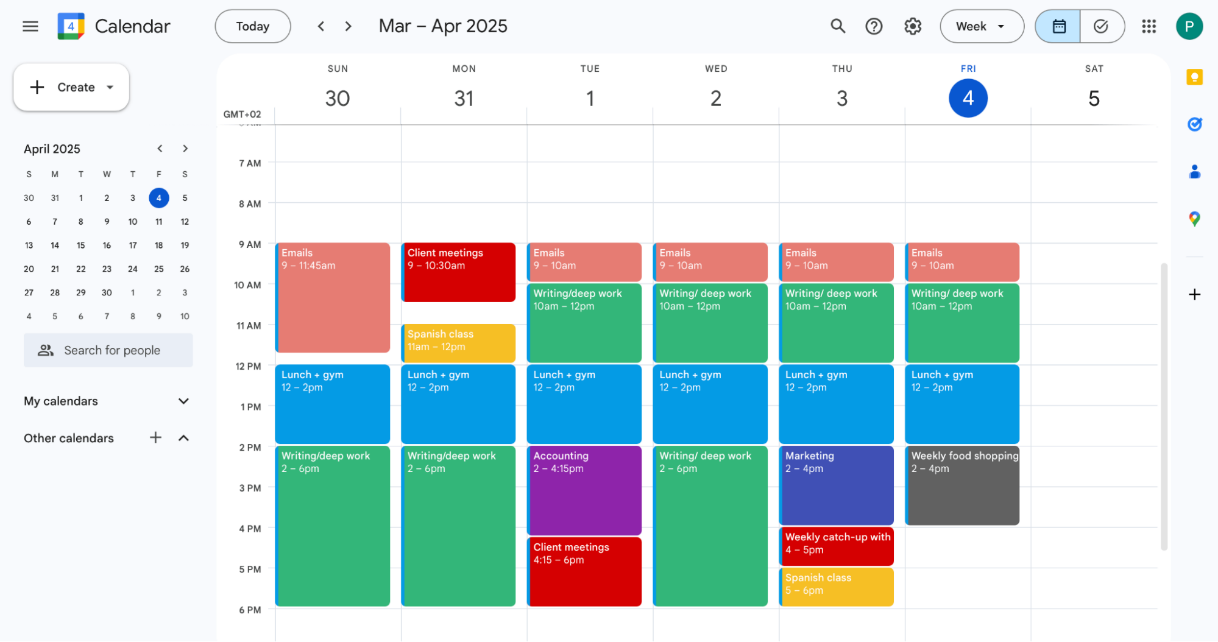
To create a referral engine that operates on autopilot, businesses need simple systems that keep referrals top-of-mind without requiring constant manual effort.
This can include automated follow-up emails after project completion, scheduled check-ins with past clients, or reminder messages tied to seasonal services. A basic customer relationship management (CRM) system can help track referrals, monitor incentives, and ensure no opportunities are missed.
For example, a service company might send a friendly follow-up email 30 days after completing a project, thanking the customer again and reminding them about the referral program. These small touchpoints help maintain relationships and gently encourage ongoing recommendations.
Step 5: Make It Easy for Customers to Refer You
One of the biggest obstacles to generating referrals is friction. If customers are unsure how to refer your business or feel the process is inconvenient, they are less likely to act.
Providing simple referral tools can significantly improve results. This might include shareable links, quick introduction templates, social media posts, or digital referral forms. The easier you make it, the more likely customers are to participate.
Businesses should also ensure their online presence supports referral activity. A professional website, positive reviews, and consistent branding help reinforce trust when new prospects research your company.
Step 6: Track, Measure, and Refine Your System
Like any marketing strategy, a referral engine should be monitored and improved over time. Tracking referral sources, conversion rates, and customer lifetime value can reveal which incentives and processes are most effective.
This data allows businesses to refine their approach, focusing on what drives the strongest results. Over time, the referral system becomes more efficient and predictable, reducing reliance on costly advertising channels.
Growing Through Trust Instead of Ad Spend
Building a referral engine is not about quick wins — it’s about creating a sustainable growth model rooted in relationships and reputation. Service businesses that invest in customer experience, consistent communication, and simple referral processes often discover that their best marketing comes from the people they have already served.
By turning satisfied clients into long-term advocates, companies can generate a steady stream of high-quality leads without constantly increasing their marketing budgets.
If your business is ready to strengthen its online presence, improve lead generation systems, or develop a smarter referral strategy, Clear Imaging Inc can help. Their team specializes in web design and digital marketing solutions tailored to service-based companies looking to grow efficiently and professionally.
To learn more about building a referral-driven growth strategy for your business, contact Clear Imaging Inc at 800-680-6942 or write to us and take the next step toward sustainable, trust-based marketing success.
- View our Website Plans
- View our Marketing Plans
- View our Website Gallery